In discussions about the net-zero energy transition, many sectors are often labelled “hard-to-abate”—but what does that really mean? The term has no agreed definition, leading it to be applied loosely and potentially be used as an excuse to delay decarbonization...
Every two years, the ETH Energy Science Center hosts a summer school about energy. This year, the focus was “navigating the transition in an insecure world”. Energy Blog editors Lingxi Tang and Jonathan Peel were among the 60 attending researchers...
In a prospective life cycle assessment, we assessed and compared the environmental impacts of technological options to decarbonise the shipping sector, comparing e-ammonia, e-methanol, e-LNG, e-FT diesel and ship-based carbon capture and storage. The findings highlight that while no single...
Power outages affect individuals, cutting off access to services like lighting, air conditioning, and communication. Here, we draw on our recent paper to explain how power system failures affect individuals, how we can measure the human impacts of outages, and...

How can the Bündner Rheintal, an urban-industrial cluster, achieve cost-effective decarbonization despite having CO₂ emissions per capita that are two times higher than the Swiss average? Researchers from Empa, in collaboration with the Canton of Graubünden, regional energy providers, and...
As the Energy Blog celebrates its 100th post, we spoke with two of its founders, Yael Borofsky and Florian Egli, to look back on its origins, impact, and the evolving world of energy research. What started as a casual idea...
Dr. Iryna Doronina Senior Researcher at ETH in collaboration with PLUS, for the first time in Ukraine, mapped all energy infrastructure in Ukraine (more than 1700 units), identified energy sector damages and calculated detailed renewable energy potential by region, using...
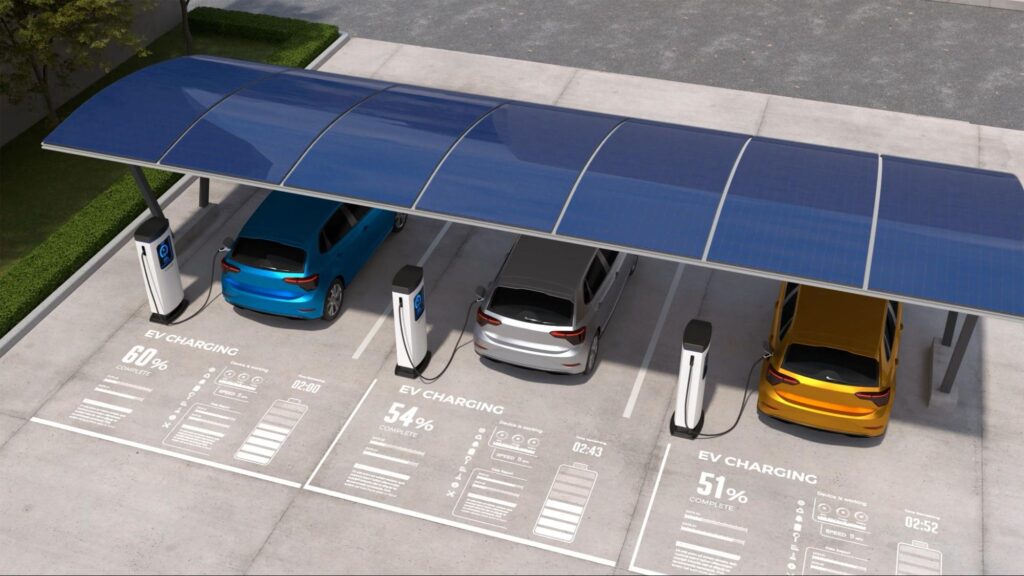
In Switzerland, the potential of vehicle-to-grid (V2G) technology to integrate renewable electricity is huge, and by using batteries that already exist in electric vehicles, V2G is also more sustainable than producing new batteries for grid-scale storage. However, V2G technology is...
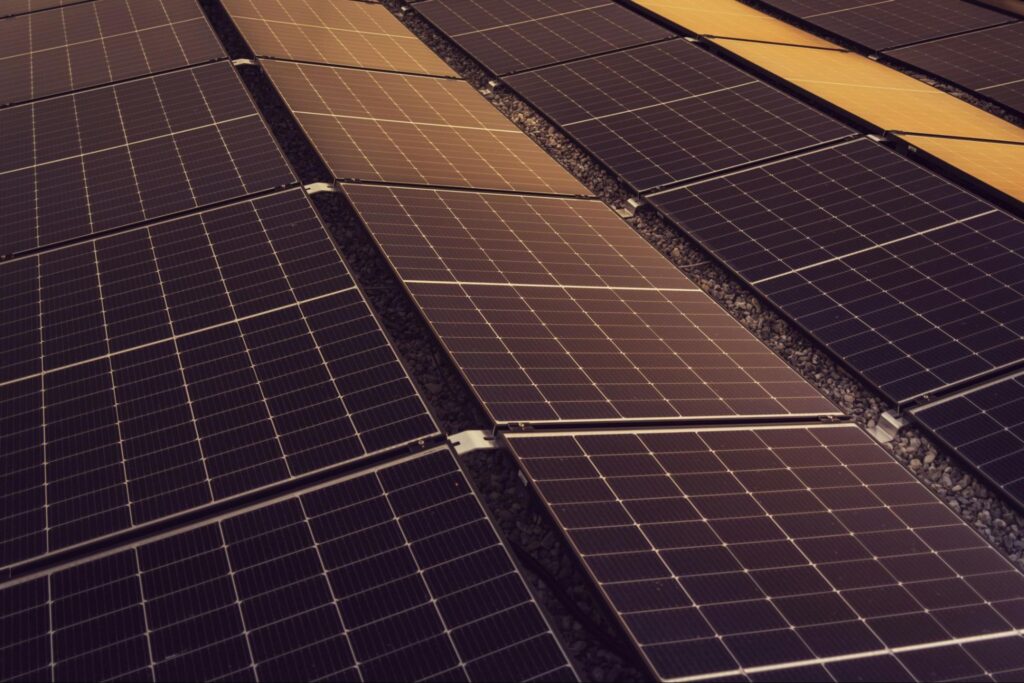
Green and white roofs are sustainable solutions for reducing urban heat and improving building energy performance. When combined with photovoltaic (PV) systems, they are often promoted as technologies that also enhance solar energy yield. However, our comprehensive analysis reveals that...
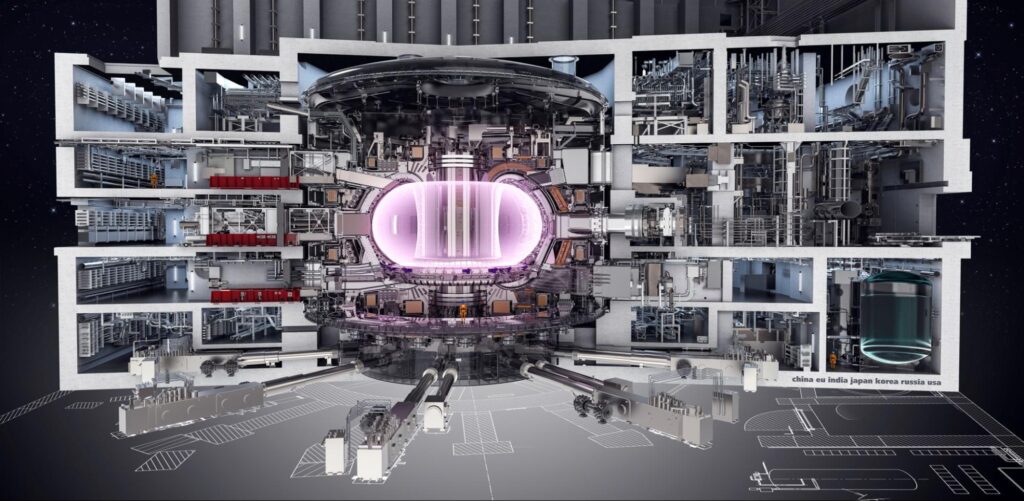
Fusion energy promises an abundant source of clean and safe electricity. With billions of dollars already invested, we have been making unprecedented progress towards making fusion energy a reality. But what is it exactly, what’s the current status, and what...
With the Swiss energy transition underway, homeowners might consider investing in a photovoltaics (PV) system. However, the optimal PV system design depends on the homeowner’s preferences: We show that if the primary goal is to save money, one might favor...
Private investors allocate more money to green mutual funds if they receive an education about sustainable finance. We designed a crash course in sustainable investing and showed its power to help individuals align their values with their money.