Transport

14.05.2025

In Switzerland, the potential of vehicle-to-grid (V2G) technology to integrate renewable electricity is huge, and by using batteries that already exist in electric vehicles, V2G is also more sustainable than producing new batteries for grid-scale storage. However, V2G technology is...

A significant amount of electricity is required to keep trams and buses warm during the winter. How can we reduce this excessive energy consumption? As part of the EnergyNow! 2.0 Impact Accelerator Program, TempTrim was developed as a tool to...

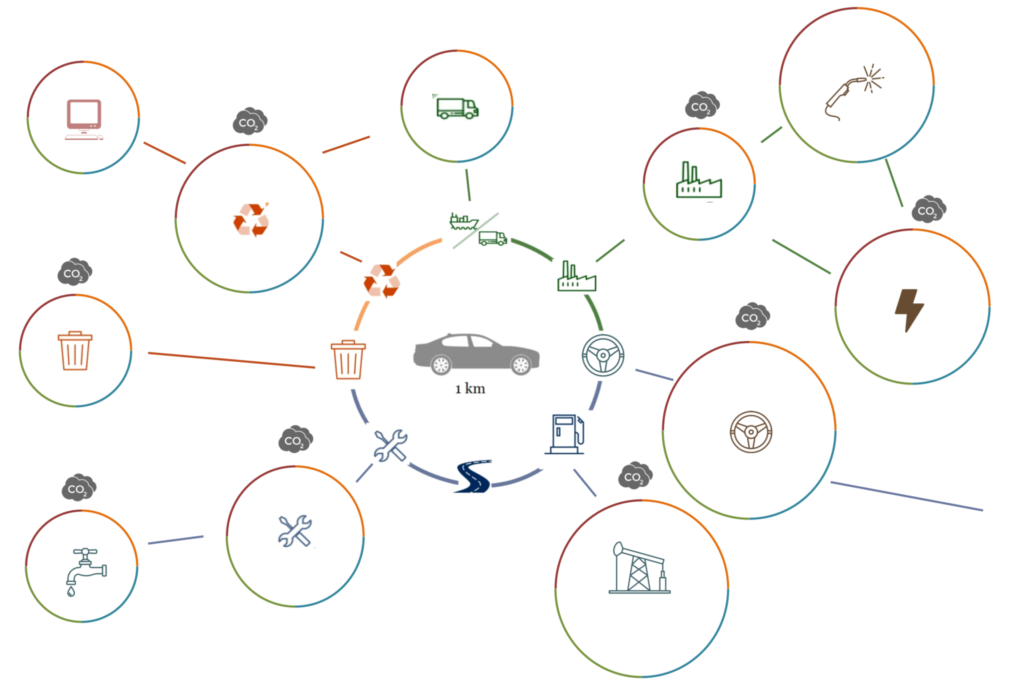
You are probably aware that your daily commute contributes to climate change. But just how much? In this blog post, we offer a detailed look at the carbon footprint of various transport modes, from bicycles and scooters to cars and...

In an increasingly decentralized and electrified energy system, electric vehicle (EV) users and their diverse behaviors could both drastically hinder or substantially support current energy transition efforts in many regions globally. The negative or positive effect depends on how users...

America’s recently passed climate law, the Inflation Reduction Act (IRA), provides strong support for accelerated adoption of clean vehicles in the US. Subsidies are generous for consumers looking to go electric, but only for vehicles that meet strict geographic requirements...

Almost every second new car registered is categorized as a sport-utility-vehicle (SUV) or large car in Switzerland, Europe, China and the U.S. This leads to potential problems like increased greenhouse gas emissions and fatal accidents with pedestrians. What are sustainable...

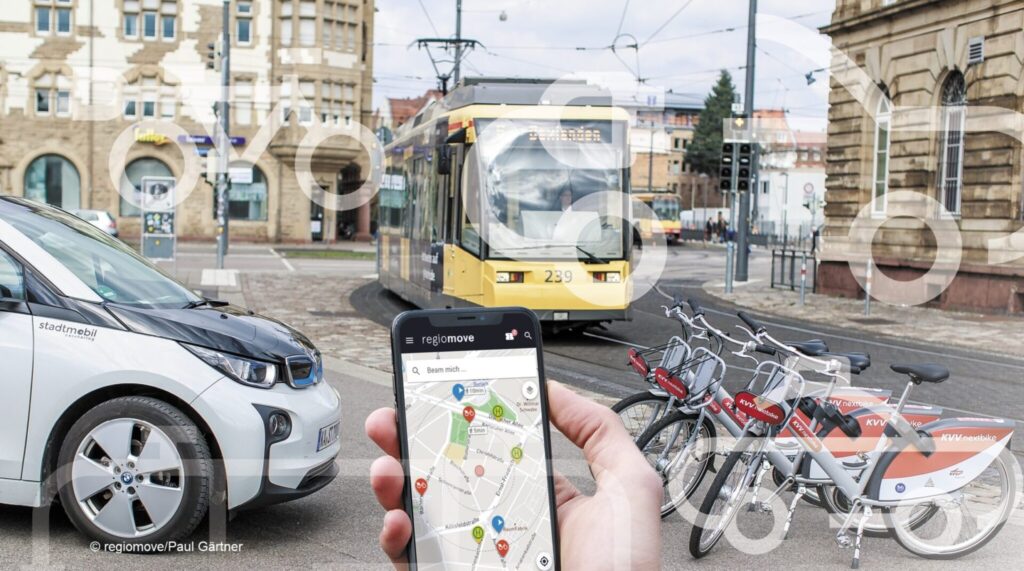
"I am dependent on my car!" is a statement widely heard in discussions about passenger transport in Germany. But: are you? Or are there some new options out there that could help you get around? Let us find out what...

How can we couple future developments in the electricity and transport systems to support decarbonization? Combining Vehicle-to-Grid and car sharing could foster both innovations and achieve synergies in decarbonizing both sectors.

Despite the recent flood of (non-academic) studies claiming differently, battery-powered electric vehicles (BEV) already provide significant environmental benefits over internal combustion engine (ICE) cars. This gap is only widening, as policy, academia, and industry are coming together to rapidly improve...

Kathmandu’s stark air pollution and limited public transport infrastructure poses a challenge towards achieving sustainable and adequate transport. Motorcycles are the most sought after mode of private mobility in Nepal. Electric motorcycles appear to be a viable and promising solution,...

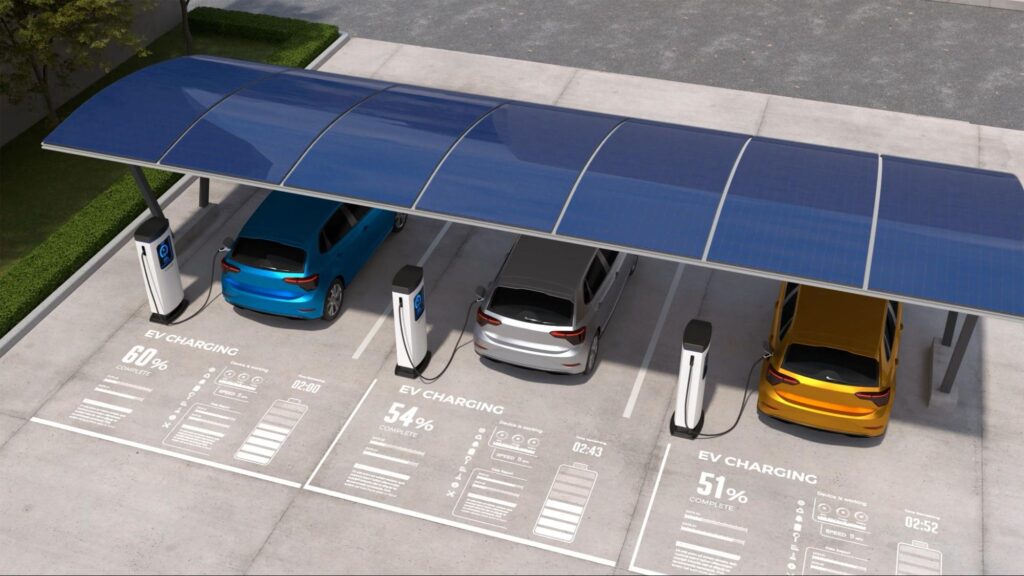
The conventional wisdom is that to increase battery electric vehicle (BEV) uptake, we need more charging points. However, when we spoke with citizens, car dealership representatives, representatives from car import companies, and local government about the challenges and opportunities for...


Although electric mobility has established itself commercially, lack of convenient charging infrastructure remains one of the most substantial barriers for buying an electric vehicle, from a customer’s point of view. This is especially the case for people that park their...